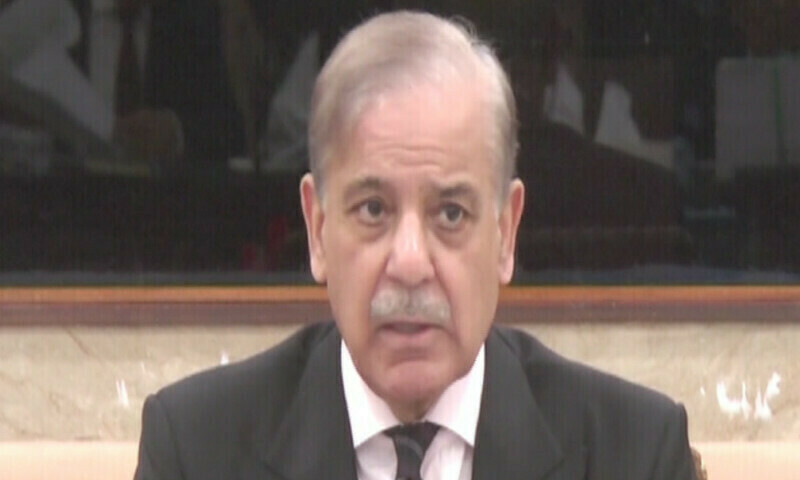
Prime Minister Shehbaz Sharif on Tuesday questioned the contributions made to the national exchequer by the country?s elite class, ahead of the presentation of the budget for FY26.
Addressing a meeting of the federal cabinet in Islamabad, PM Shehbaz said: ?Today, the federal cabinet will discuss the budget and give its approval. In the previous quarter year, the entire nation has faced these challenges. This is in no way an ordinary achievement.
?The sacrifices the common man has made, the burden the salaried class has borne in the previous budget. They say ?we are salaried [class] but still gave Rs400bn to the treasury [?] what have the elite and the wealthy groups contributed compared to us??,? he added.
?This is a question that the elite, including me, have to answer,? the premier noted.
Finance Minister Muhammad Aurangzeb will unveil the annual federal budget today, expected to provide some relief to the salaried group, during a National Assembly session chaired by Speaker Sardar Ayaz Sadiq.
Aurganzeb, in a press conference yesterday, launched the Pakistan Economic Survey 2024-2025, a pre-budget document that contains details of major socio-economic achievements during the outgoing fiscal year.
Media reports say the government is likely to present a Rs17.6 trillion budget for the fiscal year beginning July 1, down 6.7 per cent from this fiscal year. It has projected a fiscal deficit of 4.8pc of GDP, against a targeted 5.9pc deficit in 2024-25, the reports say.
The budget for FY26 is expected to prioritise expanding the tax base, enforcing agriculture income tax laws, and reducing government subsidies to industry, to meet the terms of a $7 billion IMF bailout.
The IMF has urged Pakistan to widen the tax base through reforms, which include taxing agriculture, retail, and real estate.
The session will open with recitation, followed by the finance minister presenting the federal budget, according to an NA notification.
Aurangzeb is also expected to present other documents, including the Finance Bill 2025, the grant demands for the upcoming year and the Excess Budget Statement for the previous two fiscal years.
Facing limited room for fresh tax measures, the government has resorted to rebranding taxation ? shifting from ?broadening the tax base? to pursuing ?equity? ? in an effort to justify higher taxes on lower-income segments. This shift means lower tax rates on a wide range of goods and services will be raised, a move the Federal Board of Revenue (FBR) anticipates will generate maximum revenue.
The FBR faces significant challenges in meeting its tax collection targets, as doubts persist over its ability to enforce existing tax laws effectively.
Meanwhile, some relief is expected for the salaried class in lower tax slabs. Officials indicate that the exemption limit may be further raised, alongside a lower tax rate for individuals earning around Rs100,000 per month.
According to former finance minister Asad Umar: ?The fundamental question for the government at this point is: how to increase the revenue and what expenditures to cut?.
?Last year?s budget placed a crushing burden on the salaried class. This budget must include a reversal of that unfair taxation,? he added.
In February this year, Aurangzeb admitted that there was a massive tax burden on the salaried class and indicated that the government may provide some relief to them.
Leave A Comment
Comments
No comments yet. Be the first to comment!


