By Gabriel Ewepu
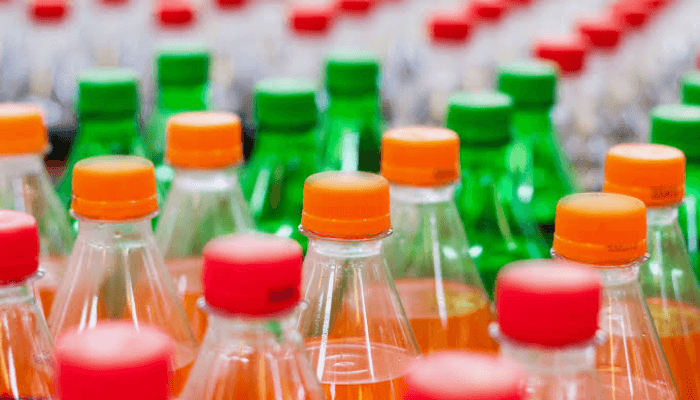
The Corporate Accountability and Public Participation Africa, CAPPA, yesterday, called on the Federal Government to increase the Sugar-Sweetened Beverages Tax from ?10 to ?130 per litre to safeguard the health of Nigerians.
The appeal was made by the Executive Director, CAPPA, Akinbode Oluwafemi in a remark during a media roundtable on SSB Tax, and organised by CAPPA, while pointing out the devastating impact of SSBs on the health of Nigerians, thereby, killing huge number of Nigerians including children.
According to Oluwafemi, SSBs are fueling an epidemic of non-communicable diseases across the country, and also warned that it will really overstress the nation?s healthcare facilities as millions of Nigerians will be taken down by the looming epidemic.
He also cautioned Nigerians not to listen and accept false news and publications by some group of persons sponsored by producers of SSBs, because they are evil-driven to ensure their paymasters continue to ravage the health of Nigerians with their sugar-laden drinks and snacks to make huge profits at the detriment of the health of Nigerians.
According to him, the SSB Tax is not Sugar Tax, rather it is a mischievous confusion ?by industry actors to mislabel the SSB tax as ?sugar tax?. They do this intentionally to create confusion and weaken public support?, and that what Nigerian is currently implementing is called SSB tax, not sugar tax. Nigeria?s SSB tax specifically targets sugary drinks, which are major contributors to excess sugar intake.
Meanwhile, the CAPPA boss also added that Nigeria risks becoming a global dumping ground for unregulated, sugar-saturated drinks, saying that industry data shows Nigeria already leads the African market for soft drinks, boasting a staggering 53 billion litres in sales in 2024, and while at the 2025 Food and Beverage West Africa exhibition event in Lagos, CAPPA observed deeply disturbing scenes, where foreign sugary and energy drinks, many without proper labels, were boldly displayed everywhere.
He said: ?Nigeria is in the throes of a public health crisis, a ticking time bomb driven by the excessive consumption of unhealthy diets, particularly SSBs. These sugar-sweetened beverages, popularly known as soft drinks and their likes, are killing us slowly, turning our streets into graveyards and our hospitals into crowded waiting rooms.
?According to scientific and medical evidence, they are directly fueling the explosive rise in non-communicable diseases (NCDs), including the slump and die trend we are currently witnessing across various parts of the country. Not too long ago, conditions like diabetes, hypertension, stroke, heart diseases, and obesity were all rare and described as afflictions of big men and women.
Today, they are snatching our fathers, crippling our mothers, sending young people to early graves, and draining the life savings of entire families. According to the World Health Organisation (WHO), NCDs now account for 1 in 3 deaths in Nigeria.
?They are no longer the diseases of the rich or the elderly; they are aggressively decimating our workforce, destabilising our families, and undermining national productivity. A recent investigation by a leading national daily revealed that Nigerians spend an estimated ?1.92 trillion ($1.26 billion) annually on healthcare related to these preventable conditions.
?We urge the Nigerian government to: Increase the SSB tax so that it raises the final retail price of sugary drinks by 20 or 30 per cent???or ideally 50 per cent, in line with WHO recommendations.
?Specifically, we are calling on the Nigerian government to increase the SSB tax from ?10 per litre to at least ?130 per litre. This will reduce consumption and push manufacturers to reformulate their products.
?Earmark revenue for healthcare, NCD prevention, nutrition education, basic health services in underserved communities, and school feeding programmes.
?Mandate transparent front-of-pack labelling on all food and beverage products so Nigerians know what they consume.
?Require annual public reporting by the Federal Inland Revenue Service, Nigeria Customs Service, and the Ministries of Finance and Health to ensure accountability.
?Establish a strong firewall against industry interference. Policies must serve the people, not corporate profits.
?Invest resources in food security and agroecology. By supporting the cultivation of real and nutritious food, we can strengthen local food systems, improve public health, and reduce the dangerous dependence of Nigerians on ultra-processed products.?
Meanwhile, a report tagged ?Junk On Our Plates? presented during the conference established the ongoing trend of false narratives and the tactics of intentional misinformation deployed by the food and beverage industries in Nigeria to promote unhealthy diets.
These strategies, including extensive advertising, exploitation of cultural trends, and strategic pricing contribute to the increased consumption of calorie-dense, nutrient-poor foods, driving a rise in non-communicable diseases (NCDs).
Worrisome, is that, In Nigeria, the prevalence of NCDs has risen sharply over the past decades with these disease accounting for at least 30 per cent of all deaths annually, and the urgency for effective policy interventions has never been greater.
Meanwhile, the report recommended some measures to drastically reduced consumption of SSBs including; Raising the excise duty on sugar-sweetened beverages to at least N130 per litre; Imposing strict limits on sodium levels in seasoning cubes and processed foods; Requiring clear labeling of sugar, salt, and trans-fat
alternative? products should be subject to rigorous content on product packaging; and imported? healthier testing; and preventing food and beverage corporations from interfering in health food policy development in Nigeria.
Also, one of the paper presenters, Prof Olukunmi?Lanre Olaitan,
University of Ilorin, in his paper titled ?Reinforcing Healthy Diets in Nigeria? strongly appealed to the media to champion the holistic public awareness and enlightenment about the deadliness of SSBs in order to save the lives of Nigerians.
Olaitan said it is imperative for the media to get involved in order to detail the health risks associated with SSBs and junk foods, and effectively promote healthier eating habits, and also engage government on the devastating effects of SSBs and junk foods.
GHAI Nigeria in-Country Coordinator, Food and Nutrition
Programs -Joy Amafah-Isaac, urged stakeholders to join forces to collectively and holistically fight the impunity of companies engaged in sniffing lives out of Nigerians with the production of SSBs and junks.
Amafah-Isaac also called on the government not to be carried away by SSBs producing companies? interventions and sponsorships of certain sectors, therefore, making the laws weak in terms of enforcement to safeguard the lives of Nigerians.
According to her, these companies are taking advantage of and using vulnerable populations and environmental concerns to avoid the SSBs tax, Stigmatizing SBBs taxes through economic arguments.
?The industry creates confusion and panic through alarming economic claims. These tactics influence policies by threatening countries with trade and economic concerns?, she said.
The post CAPPA to FG: Increase sugar-sweetened beverages tax to ?130 per litre appeared first on Vanguard News.
Leave A Comment
Comments
No comments yet. Be the first to comment!


