NEWS COMMENTARY: Chief J. Oroks
The Air Peace–Oshiomhole Lagos Airport Drama
A Reflection of Deeper Issues in Nigeria’s Aviation Sector
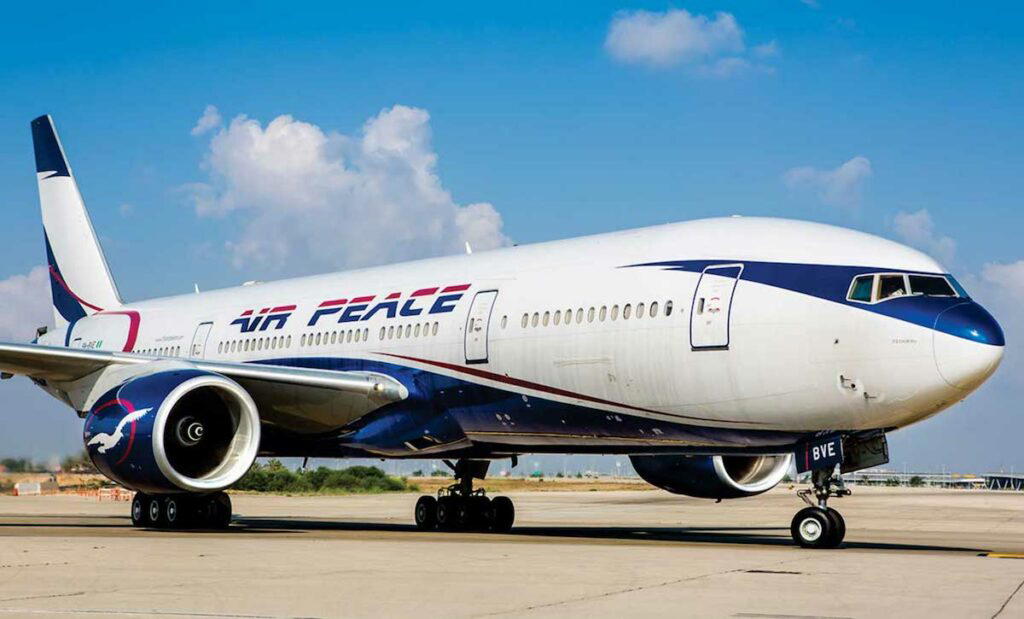
The recent altercation between Air Peace, Nigeria’s largest flag carrier, and Senator Adams Oshiomhole at the Murtala Mohammed Airport in Lagos offers a disturbing but not entirely surprising snapshot of some of the deeper systemic challenges that continue to plague Nigeria’s aviation sector. While the incident at its surface seems like a mere “war of words” between a high-profile politician and a commercial airline, a closer examination reveals broader issues related to operational integrity, customer service standards, regulatory oversight, and institutional accountability.
Two Conflicting Narratives: Both Troubling
On one hand, Air Peace claims that Senator Oshiomhole physically assaulted staff, disrupted airport operations, and barricaded terminal access after missing his flight. The airline emphasizes its strict adherence to safety protocols, on-time departure policies, and zero-tolerance for aggression. This statement, on its own, attempts to frame the airline as a victim of high-handed interference by a public figure who ought to lead by example.
On the other hand, Senator Oshiomhole provides a much graver account one that speaks to long-standing passenger frustrations with domestic airlines in Nigeria. According to his version, Air Peace denied him and several other paying passengers boarding access even after completing online check-in processes and arriving before flight departure. More disturbingly, he accuses the airline of engaging in opportunistic and exploitative practices: deliberately overselling or reselling tickets at inflated prices to last-minute travelers while marginalizing those who had legitimately secured bookings in advance.
If these allegations are true, they point not only to unethical business practices but also to systemic failures in airline regulation, consumer protection, and enforcement of aviation industry standards.
Operational Integrity vs. Exploitative Practices
Oshiomhole's assertion that Air Peace may have sold tickets on-the-spot at double or triple the original ticket price while turning away passengers who arrived on time raises serious questions. The core purpose of online check-in which is to guarantee a confirmed seat and streamline boarding seems to have been completely violated.
Such alleged practices erode public trust in domestic airlines and foster a culture where only the wealthy or connected can secure basic services, even after full compliance with booking and check-in procedures. In an industry where safety, fairness, and timeliness are paramount, these kinds of operational irregularities are inexcusable and risk damaging not only Air Peace’s reputation but also Nigeria’s already fragile image in global aviation circles.
The Broader Institutional Failure
What is perhaps most alarming is Oshiomhole’s claim that regulatory agencies and airport authorities appear to have compromised their responsibilities. Nigerian aviation regulators including the Nigerian Civil Aviation Authority (NCAA), Federal Airports Authority of Nigeria (FAAN), and Consumer Protection Directorate exist to ensure that both airlines and passengers operate within a framework of mutual accountability. The absence of immediate intervention or proactive oversight speaks volumes about the pervasive culture of regulatory laxity and impunity.
Such incidents are not new or isolated; they reflect an ongoing trend where airlines often prioritize profit maximization over consumer rights and comfort, while regulatory bodies either look away or intervene only after public outcries or media exposure.
The Dangerous Normalization of Passenger Frustration
Another troubling dimension of this story is the silent suffering of ordinary passengers. As described by Senator Oshiomhole, many of those denied boarding were average citizens who could not afford last-minute price hikes. The fact that a sitting senator had to personally intervene and financially assist a mother with a baby underscores the scale of helplessness passengers often face.
When ordinary citizens endure such ordeals without recourse or redress, it fosters resentment, diminishes confidence in public institutions, and dangerously normalizes exploitation as part of everyday life.
The Need for Urgent Sector-Wide Reform
The Nigerian aviation sector desperately needs comprehensive reforms:
- Transparent and enforceable passenger rights legislation must be fully operationalized, ensuring that airlines cannot arbitrarily deny boarding or inflate prices without consequence.
- Regulatory enforcement bodies must act independently and proactively to audit airlines, investigate reported misconduct, and apply stiff penalties for breaches.
- Airlines must adopt global best practices in customer service, check-in processes, boarding protocols, and ticketing transparency.
- Consumer education and reporting channels should be strengthened to empower passengers to report irregularities and demand accountability.
Conclusion
While the public spat between Air Peace and Senator Oshiomhole has garnered attention because of the high-profile individuals involved, it ultimately reflects a deeper rot that affects millions of Nigerians daily. Unless meaningful regulatory reforms, stronger consumer protections, and ethical business practices are enforced, the aviation industry will continue to function as a high-risk environment where passengers are routinely short-changed.
The incident should not be allowed to fade away as just another headline. It must become a catalyst for the Nigerian government, regulators, and industry stakeholders to confront and correct these entrenched malpractices restoring dignity, fairness, and professionalism to the aviation sector.
Leave A Comment
Comments
No comments yet. Be the first to comment!


